Bodybuilding offers incredible benefits, from increased strength to improved physique, yet it also comes with inherent risks. Lifting heavy weights, while pushing the body to its limits can lead to injuries if proper precautions are not taken. Avoiding setbacks requires more than just dedication—it demands a mix of proper nutrition, smart training, and recovery strategies. Nutrition plays a central role in supporting joint and muscle health, and paying attention to what you eat can significantly impact injury prevention. For those unsure where to start, exploring what bodybuilders eat in a day can provide insights into maintaining strength, energy, and recovery while minimising the risk of harm.
Prioritize Proper Form and Technique
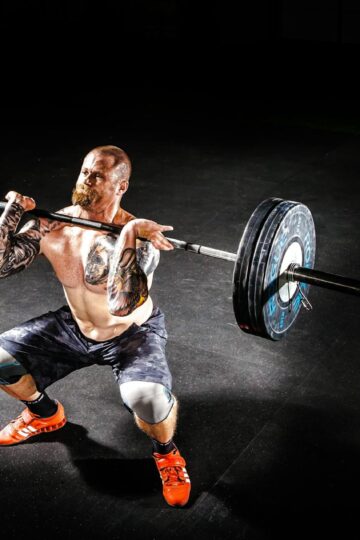
Maintaining correct form is the cornerstone of injury prevention. Using improper technique, even with moderate weights, places undue stress on joints, tendons, and ligaments. Beginners should work with trainers to learn the right movement patterns, while experienced lifters can benefit from periodic form checks or recording their exercises for review. Avoid ego lifting—trying to increase weights too quickly can compromise technique, increasing the likelihood of injury. Slow, controlled movements allow muscles to bear the load safely, reducing the strain on stabilizing structures and enhancing overall strength development.
Warm Up and Stretch Before Lifting

One of the most overlooked steps in bodybuilding is warming up before workouts. An efficient warm-up increases blood flow to muscles, improves joint mobility, and prepares the nervous system for the challenges ahead. Incorporate dynamic stretches and light cardio for 5–10 minutes before lifting heavy weights. Post-workout static stretching helps maintain flexibility, reduces muscle tightness, and aids recovery. Regularly integrating warm-up and stretching routines can dramatically lower the risk of common injuries such as strains, sprains, or muscle tears.
Listen to Your Body and Rest Adequately
Overtraining is a major contributor to injuries in bodybuilding. Pushing through pain or fatigue can result in long-term damage. Recognizing early warning signs—such as persistent soreness, joint discomfort, or unusual fatigue—is crucial for preventing serious injuries. Scheduling rest days and incorporating active recovery exercises like swimming, light cardio, or mobility work allow the body to repair and strengthen. Adequate sleep is equally important; during deep sleep, muscles repair and rebuild, reducing the risk of overuse injuries and maintaining performance over time.
Focus on Nutrition and Hydration
A well-structured diet supports muscle recovery, joint health, and overall performance, all critical for injury prevention. Consuming sufficient protein, healthy fats, and complex carbohydrates provides the building blocks and energy necessary for muscular repair. Micronutrients like calcium, magnesium, and vitamin D strengthen bones and prevent joint issues. Hydration is another essential factor—dehydrated muscles and connective tissues are more prone to strains. Integrating thoughtful meal planning and nutrient timing into your routine can help reduce injury risk while improving strength and endurance.
Gradually Increase Intensity and Use Spotters

Progressive overload is fundamental in bodybuilding, but sudden jumps in weight or volume can increase injury likelihood. Gradually increase resistance, sets, or repetitions to allow muscles, tendons, and ligaments to adapt safely. Using a spotter or safety equipment is strongly recommended when performing exercises like bench presses or squats. Spotters assist when lifting maximal weights, while resistance machines and safety racks can prevent accidents. Taking incremental steps in progression balances growth with safety, allowing continued gains without compromising health.
Preventing injuries in bodybuilding requires a comprehensive approach that combines technique, preparation, recovery, nutrition, and gradual progression. Five strategies that significantly reduce injury risk are prioritising proper form, implementing warm-ups and stretches, listening to your body, maintaining adequate nutrition and hydration, and gradually increasing intensity. By consistently integrating these habits, bodybuilders can pursue strength and muscle development while staying safe and avoiding setbacks. Practicing these tips ensures longevity in training, allowing you to reach your fitness goals with minimal disruption.…